Chiller Removal in South Carolina
Understand chiller removal and the information needed for a direct chiller purchase in South Carolina.
We buy chillers. We don’t sell them.
Your chiller.
Our logistics.
Have a surplus or decommissioned chiller? We’re the buyer—here to make moving it straightforward.
From a single unit to equipment from a larger facility, tell us what you have. We buy industrial and commercial chillers across South Carolina and coordinate the work to get them moved.
See how it works
All types & sizes
Air-cooled or water-cooled, centrifugal, screw or scroll. Tell us what you have.
We handle the logistics
We coordinate rigging, refrigerant recovery, loading and freight for the equipment we buy.
Made for sellers
Send the details and nameplate photos to start a conversation about your chiller.
Three steps.
One less chiller.
- 01
Send the details
Share what you know, along with photos of the unit and nameplate.
- 02
Get a quote
We’ll review your equipment and discuss an offer with you.
- 03
Leave the logistics to us
We coordinate removal and freight for the chillers we purchase.
Chiller Removal in South Carolina: A Field Guide
If your chiller is inactive and its service history is uncertain, start with what you can observe without disturbing the equipment. South Carolina Chiller Buyers purchases used and surplus chillers in South Carolina; it is a direct buyer, not a seller of replacement equipment. You can request an offer without testing, starting, repairing, or preparing your chiller. An uncertain operating history does not by itself mean you need to make the machine run before asking what it may be worth.
Keep the inquiry factual. Share the machine’s location within the property, its known identity and condition, and the practical route from its present position to the exterior. If operating status, refrigerant, or prior repairs are unknown, say so rather than guessing. The offer and removal schedule depend on the equipment and the agreed plan; neither a particular price nor a specific date can be promised in advance.
Record What Is Known—Without Testing the Unit
Useful details may include manufacturer, model, serial number, approximate age, nominal capacity, and any visible condition concerns. Existing records, labels that can already be read safely, or photographs taken from an accessible position may help identify the chiller. Do not remove covers or reach into equipment to find a data plate. If a detail is unavailable, mark it as unknown.
Describe the situation plainly: for example, a unit may have been shut down before the current owner took over, or paperwork may be incomplete. These are illustrative possibilities, not reasons to attempt a restart. Do not energize, open, drain, vent, cut, or dismantle the chiller. Leave equipment and connected services undisturbed while the buyer evaluates the information and discusses a removal approach.
Capacity Is Not the Same as Removal Weight
Chiller capacity, usually stated in tons, describes cooling output; it is not the machine’s transport weight. Weight, dimensions, configuration, and the way the unit is installed affect rigging and hauling decisions. A capacity figure alone cannot establish whether a chiller can pass through a doorway, be lifted through an opening, or be moved along a particular route.
South Carolina Chiller Buyers considers chillers of all tonnages, including units below 20 tons. Chillers from 20 to 2,000 tons and above are also within the common range considered. All brands and refrigerants are considered. A smaller capacity does not automatically make a removal simple, and a large capacity does not by itself determine the removal method. The actual machine and site conditions matter.
Map the Route from the Chiller to Outside
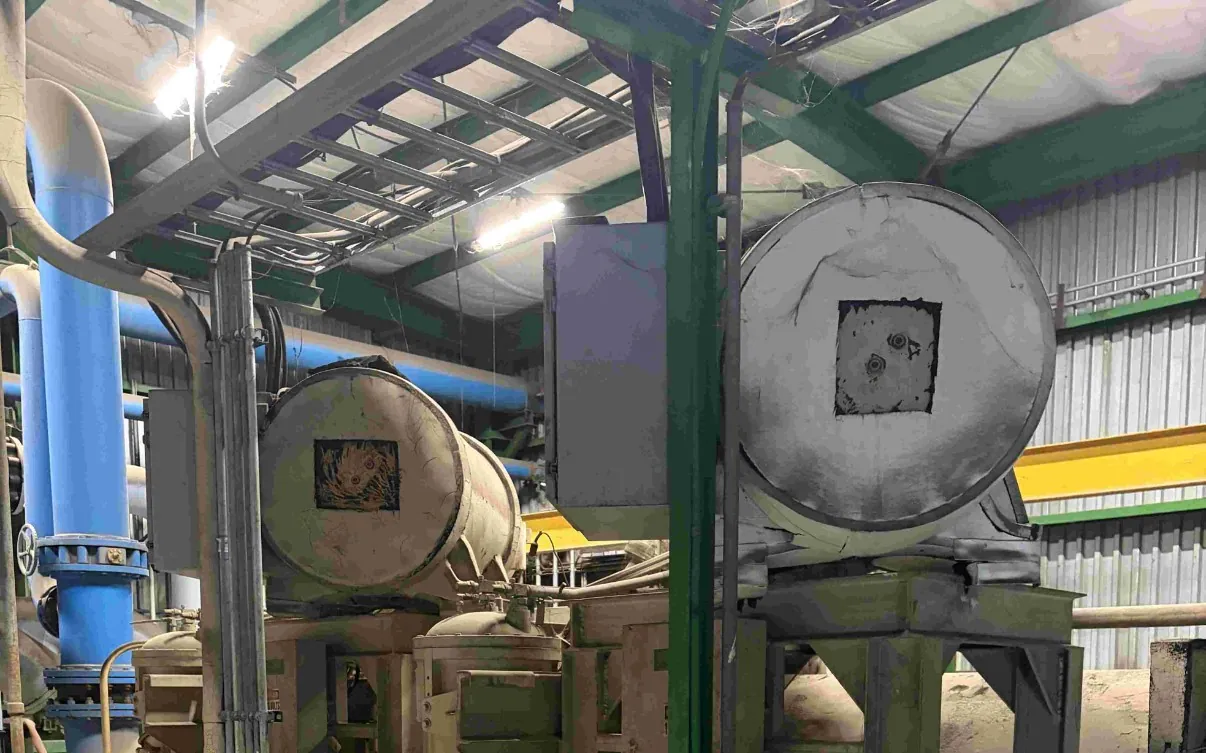
A useful removal inquiry identifies where the machine sits within the property and how it could reach the exterior. Note doorways, turns, changes in elevation, nearby equipment, overhead or side clearances, and possible truck or crane staging areas. Photos can help explain these features when they can be taken safely and without moving anything. Include constraints you already know about, such as a narrow passage or a route shared with other equipment.
Think of the route as a sequence rather than a single exit: the chiller’s position, the path across the building or site, the exterior opening, and the area where lifting or loading might take place. A possible staging area in a photo is not confirmation that a truck or crane can use it. The removal method depends on the actual equipment and the site’s approved access plan. The authorized owner or site representative must give permission and coordinate access.
What the Buyer Handles After Agreement
Once a purchase is agreed, the buyer handles the removal work covered by the arrangement. That includes agreed disconnects, necessary refrigerant recovery by appropriately qualified personnel, rigging, loading, hauling, and freight. Freight is covered. Sellers do not need to arrange separate removal vendors or ship the equipment themselves.
That division of responsibility does not remove the need for site coordination. The authorized owner or representative still needs to approve access and coordinate the practical arrangements for the agreed work. The parties should confirm the scope and schedule together; timing depends on the equipment, access, and agreement. Do not treat an initial inquiry or estimate as permission to enter the property or begin work.
Keep Refrigerant and Process Fluid Distinct
A chiller may contain refrigerant as part of its cooling system and may also connect to a separate water or other process-fluid circuit. These are different systems. Uncertainty about one does not establish the condition or contents of the other. You do not need to identify, recover, or remove either before requesting an offer, and should not drain or vent the equipment.
Where records are available, share what they say about the machine and its service history. Where records are missing, say that the information is unavailable. Necessary refrigerant recovery for an agreed removal is handled by appropriately qualified personnel as part of the buyer-managed work, rather than being a preparation task for the seller.
A Practical Inquiry Checklist
- Provide known make, model, serial number, capacity, and condition details; label unknowns as unknown.
- Describe the chiller’s position, the route to the exterior, elevation changes, nearby obstructions, and potential staging areas.
- Identify who is authorized to approve access and coordinate with the buyer.
- Do not test, start, repair, open, drain, vent, cut, dismantle, or arrange shipment of the unit.
Agree on Scope Before Removal
For an inactive chiller with an incomplete history, a clear account of known facts and site access is more useful than an attempted diagnosis. South Carolina Chiller Buyers pays upfront after an agreed purchase. The offer and removal schedule are determined by the equipment and the agreement, so share relevant details and discuss access before committing to a plan. You can leave preparation, recovery, rigging, loading, and hauling to the buyer’s agreed removal process.
Ready to move
your chiller?
Tell us what you know. If you’re unsure of a detail, leave it blank. Nameplate photos are a great place to start.

Request a quote.
Fill out what you can and we’ll be in touch.