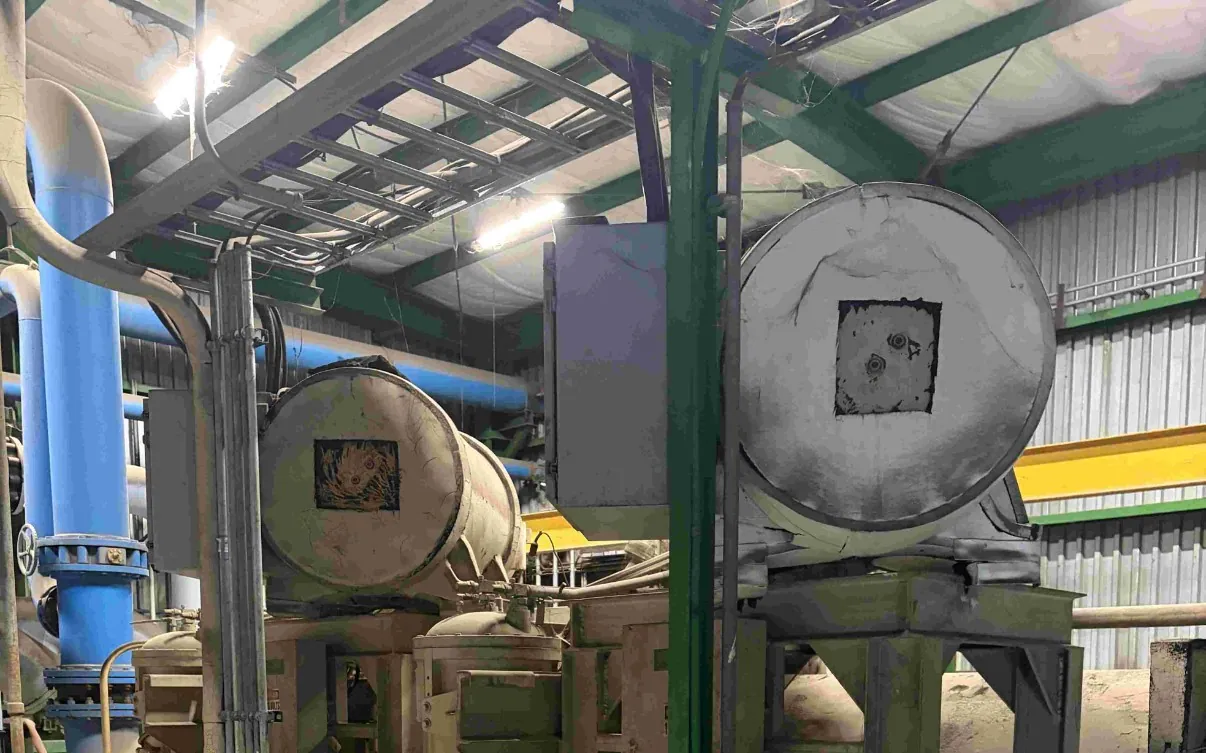
Sell a Surplus Air-Cooled Chiller in Walhalla, SC
We buy used air-cooled chiller equipment in Walhalla and handle the agreed disconnect, rigging, and freight.
We buy chillers. We don’t sell them.
Your chiller.
Our logistics.
Have a surplus or decommissioned chiller? We’re the buyer—here to make moving it straightforward.
From a single unit to equipment from a larger facility, tell us what you have. We buy industrial and commercial chillers across South Carolina and coordinate the work to get them moved.
See how it works
All types & sizes
Air-cooled or water-cooled, centrifugal, screw or scroll. Tell us what you have.
We handle the logistics
We coordinate rigging, refrigerant recovery, loading and freight for the equipment we buy.
Made for sellers
Send the details and nameplate photos to start a conversation about your chiller.
Three steps.
One less chiller.
- 01
Send the details
Share what you know, along with photos of the unit and nameplate.
- 02
Get a quote
We’ll review your equipment and discuss an offer with you.
- 03
Leave the logistics to us
We coordinate removal and freight for the chillers we purchase.
Turn a Partial Inventory into a Useful Offer Request
If you have a surplus air-cooled chiller in Walhalla, South Carolina, you do not need a complete equipment file before starting a purchase discussion. South Carolina Chiller Buyers buys used chillers directly; it does not sell replacement equipment. Share the information you have, identify what remains unknown, and add clear photographs where possible. That lets the buyer assess the unit and the removal questions without asking you to prepare it for operation.
Air-cooled chillers reject heat through outdoor coils and fans rather than relying on a conventional cooling-tower loop. This distinction helps identify the equipment and describe its configuration. It does not, by itself, determine value or removal difficulty: condition, size, access, and the agreement all matter.
Start with the Details You Can Confirm
Record the manufacturer, model and serial numbers if their labels are safely visible. Note the stated capacity or tonnage, approximate age if known, and whether the chiller is complete, stored, or still connected to a system. If some labels are unreadable or records are missing, say so rather than estimating. Buyers can consider chillers of all tonnages, including units below 20 tons; 20 to 2,000-plus tons is a common range, not an eligibility limit.
For an air-cooled unit, describe the fan and coil condition based on what can be seen from a safe location. Note the compressor count where visible, but do not remove panels or enter hazardous areas to find it. A photograph of the overall machine and readable identification plates can be more useful than a long description assembled from memory.
Describe What Is Unknown, Too
An incomplete inventory is still a starting point. Separate confirmed facts from questions: for example, “model number visible, capacity not confirmed” is clearer than an unsupported tonnage estimate. Mention whether the chiller is believed to be operable, out of service, or of unknown condition. You do not have to test or start it to request an offer, and no repair or operational demonstration is required.
All brands and refrigerants are considered. If the refrigerant type is listed on an accessible label or in existing records, include it; if not, report it as unknown. Refrigerant is distinct from the process fluid that may have circulated through the chiller’s connected system. Do not drain, vent, open, or dismantle anything to identify either fluid.
Location and Access Can Shape Removal
State whether your air-cooled chiller in Walhalla is on a roof, on a ground-level pad, or on a raised frame. A rooftop or elevated installation may call for a lift plan and a protected area on the ground. At grade, the route from the unit to a truck still matters. Photos showing nearby clearance, gates, overhead obstructions, and the approach to the equipment help explain the setting.
Capacity and transport weight are different measures. Tonnage describes cooling capacity, not the machine’s lifting weight or the load a route can accommodate. If you have shipping records, nameplate data, or drawings that state weight or dimensions, share them as available; do not infer a lifting plan from tonnage alone. Removal planning depends on the actual equipment and site conditions.
Useful Information to Gather
- Visible make, model, serial number, and stated capacity
- Known or unknown condition, plus visible fan, coil, and compressor details
- Roof, pad, or frame location and photographs of the access route
- Known refrigerant information and any available weight or dimension records
- Name and contact details for the authorized owner or site representative
What Happens After an Agreement
Once the purchase terms are agreed, South Carolina Chiller Buyers handles the removal logistics: disconnects, necessary refrigerant recovery through appropriately qualified personnel, crane and rigging, loading, hauling, and freight. Freight is covered. The seller does not need to hire a carrier or ship the chiller. The authorized owner or site representative must still give permission and coordinate access, including any site arrangements needed for the agreed work.
Do not energize, open, drain, cut, or dismantle the machine to make it easier to assess. Leave equipment preparation and removal tasks to the appropriate personnel under the agreed plan. Payment is upfront, with the offer and removal schedule dependent on the equipment, access information, and purchase agreement. Neither a particular price nor a specific removal date can be promised before those details are reviewed.
Make the First Conversation Specific
A practical request does not need to answer every technical question. It should tell the buyer what the unit is, what is known about its condition, where it sits, and what may complicate access. If a detail is missing, identify it plainly. That gives both sides a clearer basis to discuss the chiller, confirm the remaining information, and decide whether the purchase terms work for the equipment and the site.
Ready to move
your chiller?
Tell us what you know. If you’re unsure of a detail, leave it blank. Nameplate photos are a great place to start.

Request a quote.
Fill out what you can and we’ll be in touch.