Sell a Surplus Water-Cooled Chiller in Manning, SC
We buy used water-cooled chiller equipment in Manning and handle the agreed disconnect, rigging, and freight.
We buy chillers. We don’t sell them.
Your chiller.
Our logistics.
Have a surplus or decommissioned chiller? We’re the buyer—here to make moving it straightforward.
From a single unit to equipment from a larger facility, tell us what you have. We buy industrial and commercial chillers across South Carolina and coordinate the work to get them moved.
See how it works
All types & sizes
Air-cooled or water-cooled, centrifugal, screw or scroll. Tell us what you have.
We handle the logistics
We coordinate rigging, refrigerant recovery, loading and freight for the equipment we buy.
Made for sellers
Send the details and nameplate photos to start a conversation about your chiller.
Three steps.
One less chiller.
- 01
Send the details
Share what you know, along with photos of the unit and nameplate.
- 02
Get a quote
We’ll review your equipment and discuss an offer with you.
- 03
Leave the logistics to us
We coordinate removal and freight for the chillers we purchase.
Sell a Surplus Water-Cooled Chiller in Manning, SC
South Carolina Chiller Buyers purchases surplus water-cooled chillers in Manning, South Carolina. We are a direct buyer, not a seller of replacement equipment. We consider all tonnages, including units below 20 tons; 20 to 2,000-plus tons is a common range. All brands and refrigerants are considered, subject to the equipment and purchase terms.
An older nameplate may be faded, incomplete, or inconsistent with later changes to the system. Don’t guess at the capacity, refrigerant, or model when requesting an offer. Share what can be read and note what is uncertain. Photos or available records can help us assess your water-cooled chiller without requiring you to start or test it.
Map Both Water Circuits Before Describing the Unit
A water-cooled chiller normally connects to two separate circuits: the chilled-water loop serving the process or building, and the condenser-water loop that rejects heat, often through a cooling tower. Identify both sets of connections in your notes. Also clarify whether the tower, pumps, controls, and related equipment are included in the sale or will remain at the property.
Water in either loop is process fluid, not refrigerant. The refrigerant stays within the chiller’s refrigeration circuit, and the type or condition of that refrigerant should not be inferred from the water piping. If old labels, retrofit records, or equipment documents appear to conflict, report the discrepancy rather than treating one source as confirmed. Do not open, drain, or alter the equipment to investigate.
Use Records as Clues, Not Assumptions
Past retrofit work can affect the refrigerant, controls, compressor, or other components while leaving an original nameplate in place. If you have service documents, retrofit notes, or a later equipment tag, provide copies or clear images when requesting an offer. A document may describe a previous configuration rather than the chiller’s present condition, so indicate its date or uncertainty when known.
If records are missing, that does not prevent you from asking about a purchase. Send the information you can verify, such as visible manufacturer and model text, approximate dimensions, and general condition. Avoid filling gaps with estimates presented as facts; we can discuss what remains unknown as part of evaluating the equipment.
Show the Removal Boundary Clearly
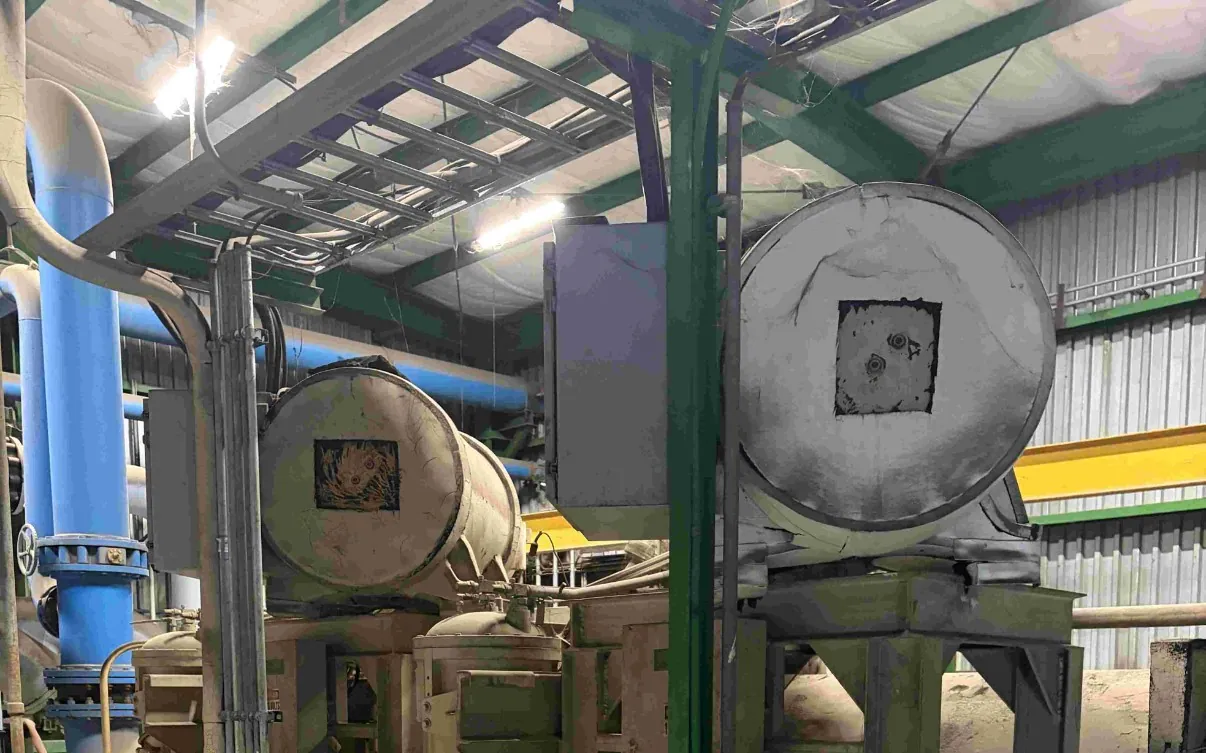
For water-cooled chiller removal, the disconnection plan must separate the chiller from shared piping and any cooling equipment that will stay in service. Photos of valves, insulation, pipe runs, nearby pumps, and the machinery-room exit help establish the likely scope. A wide view can show access constraints, while closer views can identify connections and adjacent equipment.
For example, if a chiller is surplus but its condenser-water loop also serves another operating unit, the removal scope may need to leave that shared system undisturbed. If a tower is being retained, make that clear rather than assuming it is part of the chiller sale. These are planning examples only; the actual boundary depends on the equipment and the agreement.
Capacity Is Not the Same as Transport Weight
A chiller’s tonnage describes cooling capacity, not its shipping weight or the space required to move it. Removal planning also depends on the unit’s dimensions, configuration, machinery-room route, doors, overhead clearance, and available staging area. If you have drawings or equipment records, they may help; do not estimate a lift or transport plan from tonnage alone.
Photos of the route from the machinery room to the loading area can help identify practical questions early. Mention stairs, narrow turns, low clearances, or access limits if known. The buyer coordinates the removal plan after an agreed purchase, based on the specific equipment and site access.
Request an Offer Without Preparing the Chiller
You do not need to test, start, repair, or prepare the unit to request an offer. Do not energize it or open, drain, vent, cut, or dismantle any part to gather information. Payment is upfront after the purchase is agreed; the offer and removal schedule depend on the equipment and the agreement, so neither a specific amount nor a date should be assumed in advance.
- Share readable labels, available retrofit or service records, and known uncertainties.
- Identify chilled-water and condenser-water connections, plus equipment included or retained.
- Provide photos of piping, valves, insulation, the machinery-room exit, and the access route.
Access, Removal, and Freight
After an agreed purchase, South Carolina Chiller Buyers handles disconnection, necessary refrigerant recovery through appropriately qualified personnel, crane and rigging, loading, hauling, and freight. Freight is covered. The authorized owner or site representative must still grant permission and coordinate access, including any site requirements needed to carry out the agreed removal.
For a Manning-area seller, the useful first step is accurate information rather than speculative preparation. Clearly distinguish the chiller from shared systems, report what labels and records actually say, and flag anything that remains unclear. That gives both sides a more practical basis for assessing the surplus water-cooled chiller and arranging next steps.
Ready to move
your chiller?
Tell us what you know. If you’re unsure of a detail, leave it blank. Nameplate photos are a great place to start.

Request a quote.
Fill out what you can and we’ll be in touch.