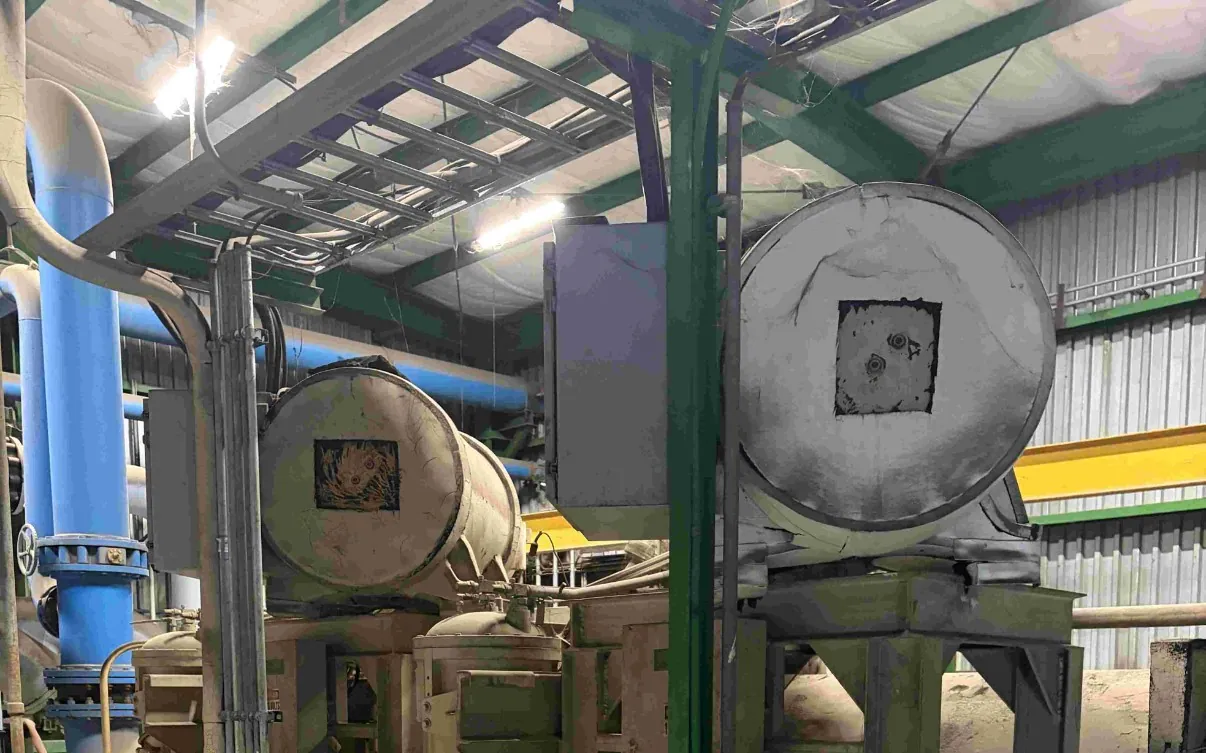
Sell a Surplus Air-Cooled Chiller in Darlington, SC
We buy used air-cooled chiller equipment in Darlington and handle the agreed disconnect, rigging, and freight.
We buy chillers. We don’t sell them.
Your chiller.
Our logistics.
Have a surplus or decommissioned chiller? We’re the buyer—here to make moving it straightforward.
From a single unit to equipment from a larger facility, tell us what you have. We buy industrial and commercial chillers across South Carolina and coordinate the work to get them moved.
See how it works
All types & sizes
Air-cooled or water-cooled, centrifugal, screw or scroll. Tell us what you have.
We handle the logistics
We coordinate rigging, refrigerant recovery, loading and freight for the equipment we buy.
Made for sellers
Send the details and nameplate photos to start a conversation about your chiller.
Three steps.
One less chiller.
- 01
Send the details
Share what you know, along with photos of the unit and nameplate.
- 02
Get a quote
We’ll review your equipment and discuss an offer with you.
- 03
Leave the logistics to us
We coordinate removal and freight for the chillers we purchase.
Sell a Surplus Air-Cooled Chiller in Darlington, SC
If you have a surplus air-cooled chiller in Darlington, South Carolina, South Carolina Chiller Buyers can review it for purchase. We are a direct buyer, not a seller of replacement equipment. We consider chillers of all tonnages, including units below 20 tons; 20 to 2,000+ tons is a common range. Brand and refrigerant type do not automatically rule out an offer.
Useful evidence helps us understand what is being offered and how it may be removed. You do not need to test, start, repair, or prepare the chiller to request an offer. Share information you already have, and leave inspection of inaccessible areas to qualified personnel.
Start with the nameplate and known records
Send a clear photo of the equipment nameplate if it is safely visible. Its model and serial numbers, listed capacity, manufacturer, and refrigerant designation can help identify the unit. If the plate is missing, damaged, or hard to read, say so rather than trying to reach or uncover it.
Capacity is not the same as transport weight. The tonnage describes cooling capacity; it does not tell us the load a crane, rigging team, floor, or truck must handle. If you have a shipping document or equipment record that lists weight or dimensions, include it as supporting information, not as a substitute for a removal assessment.
Describe condition without running the chiller
Air-cooled equipment rejects heat through outdoor coils and fans rather than relying on a conventional cooling-tower loop. Note visible coil or fan damage, corrosion, missing panels, or signs of impact. If the compressor count is visible without opening the unit or removing guards, include it. Otherwise, leave that detail unknown.
Tell us whether the chiller is reported as operating, out of service, or of unknown status, based on records or information already available. Do not energize it to answer that question. A unit that has not run recently may still merit review, and a reported operating condition does not by itself establish value or removal readiness.
List what is included
Clarify whether the offer would cover only the chiller or also associated components being sold with it. For example, a seller might include a factory-mounted pump package or a separate control component, if those items are part of the agreed purchase. Identify accessories and loose parts from existing inventories or photographs; do not dismantle equipment to make a list.
Air-cooled chillers do not require the conventional cooling-tower loop used by some other chiller arrangements, but the site may have connected process-fluid piping or other services. Refrigerant is different from process fluid: neither should be vented, drained, or handled by the seller for the purpose of requesting an offer. Describe known connections as they are, and let the removal plan address them.
Make the access picture clear
Record whether your air-cooled chiller in Darlington is on a roof, at grade on a pad, or on a raised frame. A rooftop or elevated installation may call for a lift plan and a protected ground area. At grade, the route from the unit to a truck still matters. Photos of surrounding clearance, gates, overhead obstructions, and the approach route can help identify questions early.
Also mention known limits such as restricted access hours or areas that cannot be used for staging. Do not move barriers, open equipment, or arrange a crane or shipment yourself. The owner or authorized site representative must permit the work and coordinate access. Removal requirements depend on the actual equipment, site conditions, and agreed plan.
Understand the purchase and removal terms
After an agreed purchase, South Carolina Chiller Buyers handles disconnects, necessary refrigerant recovery through appropriately qualified personnel, crane and rigging, loading, hauling, and freight. Freight is covered. The seller does not need to hire a carrier or ship the chiller. Payment is upfront; the specific offer and removal schedule depend on the equipment and agreement, so neither a particular price nor a date should be assumed before review.
Before agreeing, confirm who has authority to sell the equipment and who can grant site access. If ownership or access approval rests with another party, resolve that permission before setting removal expectations.
Information to gather before requesting an offer
Use records and safe, existing views to assemble a concise description. These details are useful starting points, not a checklist that requires testing or site preparation:
- Nameplate photo or available model, serial, capacity, and refrigerant details.
- Known condition, visible coil and fan observations, and compressor count if visible.
- Included components, installation position, and photos of access routes and obstructions.
For instance, if a unit is idle on a clear ground-level pad, existing photos may be enough to explain its setting. If it is elevated or access is tight, flag that early so the removal requirements can be considered. In either case, request an offer without starting, opening, draining, cutting, or dismantling the chiller.
Ready to move
your chiller?
Tell us what you know. If you’re unsure of a detail, leave it blank. Nameplate photos are a great place to start.

Request a quote.
Fill out what you can and we’ll be in touch.