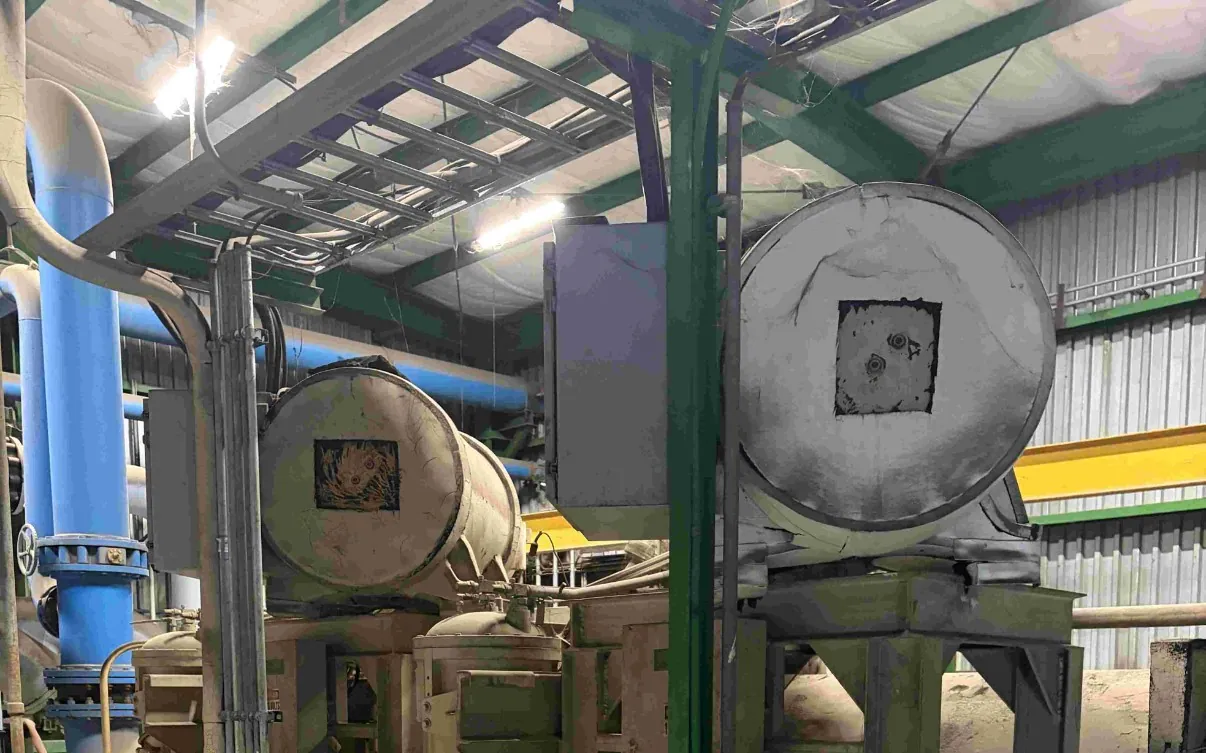
Sell a Surplus Water-Cooled Chiller in Allendale, SC
We buy used water-cooled chiller equipment in Allendale and handle the agreed disconnect, rigging, and freight.
We buy chillers. We don’t sell them.
Your chiller.
Our logistics.
Have a surplus or decommissioned chiller? We’re the buyer—here to make moving it straightforward.
From a single unit to equipment from a larger facility, tell us what you have. We buy industrial and commercial chillers across South Carolina and coordinate the work to get them moved.
See how it works
All types & sizes
Air-cooled or water-cooled, centrifugal, screw or scroll. Tell us what you have.
We handle the logistics
We coordinate rigging, refrigerant recovery, loading and freight for the equipment we buy.
Made for sellers
Send the details and nameplate photos to start a conversation about your chiller.
Three steps.
One less chiller.
- 01
Send the details
Share what you know, along with photos of the unit and nameplate.
- 02
Get a quote
We’ll review your equipment and discuss an offer with you.
- 03
Leave the logistics to us
We coordinate removal and freight for the chillers we purchase.
Sell a Surplus Water-Cooled Chiller in Allendale, SC
If you are considering selling your water-cooled chiller in Allendale, begin by turning the information you have into a clear description of the equipment and what is included. South Carolina Chiller Buyers purchases used chillers directly; we do not sell replacement equipment. We consider water-cooled chillers across tonnages, including units under 20 tons. Capacity from 20 to 2,000+ tons is common, but size alone does not determine whether a unit is worth discussing.
An incomplete inventory is a reasonable starting point. You do not need to test, start, repair, or prepare the chiller to request an offer. A nameplate photo, a few overall images, and a note about what is known or uncertain can help begin the conversation. Offers and removal schedules depend on the equipment and the terms agreed upon, so avoid treating an early estimate as a guaranteed price or pickup date.
Describe Both Water Circuits
A water-cooled chiller normally interfaces with two separate water circuits: a chilled-water loop that serves the cooling load and a condenser-water loop that carries heat away, often through a cooling tower. These are process or building fluids, not refrigerant. When assembling an inventory, identify the two sets of connections if they are visible, and note which pumps, tower equipment, controls, or other components may be included in the sale.
It is useful to distinguish equipment physically near the chiller from equipment being sold with it. A tower or pump may belong to a shared system or remain in service after the chiller is removed. If you are unsure, mark it as unconfirmed rather than assuming it is part of the package. Do not open piping or operate valves to check. Existing labels, records, or photos taken from a safe, accessible position can provide useful context.
Make the Inventory Useful, Not Perfect
For a first purchase discussion, collect what is readily available without disturbing the equipment. Helpful details include manufacturer and model, serial number, stated tonnage, approximate installation or shutdown status if known, and whether the unit appears complete. If a plate is difficult to read, a photo may be more useful than a guess. You can also mention missing panels, visible damage, prior removal planning, or uncertainty about the refrigerant, while avoiding assumptions about condition that have not been verified.
- Photograph the overall chiller, readable nameplate, visible water connections, and nearby equipment that may or may not be included.
- Note what is known about the chilled-water loop, condenser-water loop, cooling tower, pumps, and controls; label uncertain items as unknown.
- Share access constraints, the machinery-room exit route, and whether the chiller is connected to piping or equipment that must remain in service.
All brands and refrigerants are considered. If refrigerant information is unavailable, say so; do not attempt to identify it by opening the system or handling refrigerant. An unknown detail can be discussed as unknown rather than delaying an inquiry until every record has been found.
Separate Chiller Capacity from Removal Logistics
Tonnage describes cooling capacity, not the weight of the machine or the difficulty of moving it. Two chillers with similar capacity may differ in dimensions, configuration, installed attachments, and route out of the building. A useful inventory therefore includes approximate overall dimensions or weight only when reliable information is already available, along with practical access notes such as door clearances, stairs, overhead restrictions, or limited staging space.
Do not estimate lifting points or dismantle anything to improve access. Photos of valves, insulation, visible pipe runs, and the machinery-room exit can help establish the removal scope. If shared piping or cooling equipment must remain in operation, point out the boundary as clearly as possible. For example, if one chiller is surplus while a common condenser-water header serves another operating unit, that shared connection is a key planning detail—not a reason to assume the piping can be removed with the chiller.
Clarify What Happens After an Agreement
Once a purchase is agreed, the buyer handles disconnection work, necessary refrigerant recovery through appropriately qualified personnel, crane and rigging, loading, hauling, and freight. Freight is covered. Sellers do not need to hire a carrier or ship the chiller. The authorized owner or site representative must still grant permission and coordinate access, including any applicable site procedures and the agreed removal window.
The removal plan must distinguish the chiller from shared piping and any cooling equipment that will stay in use. The buyer can review the available information and discuss the work scope before scheduling, but the specific plan and timing depend on the equipment, access, and agreement. Do not cut, drain, vent, or dismantle components to prepare the unit.
Request an Offer with the Details You Have
For surplus water-cooled chillers in Allendale, South Carolina, a concise, candid inventory is more useful than an unverified claim that the unit is ready to move. Send the available identifying information, explain what is included or excluded, and flag unknowns about condition, connections, or access. South Carolina Chiller Buyers pays upfront under the agreed purchase terms. The offer and removal schedule are determined through that discussion; neither a specific price nor a specific date can be promised before the equipment and scope are reviewed.
Ready to move
your chiller?
Tell us what you know. If you’re unsure of a detail, leave it blank. Nameplate photos are a great place to start.

Request a quote.
Fill out what you can and we’ll be in touch.