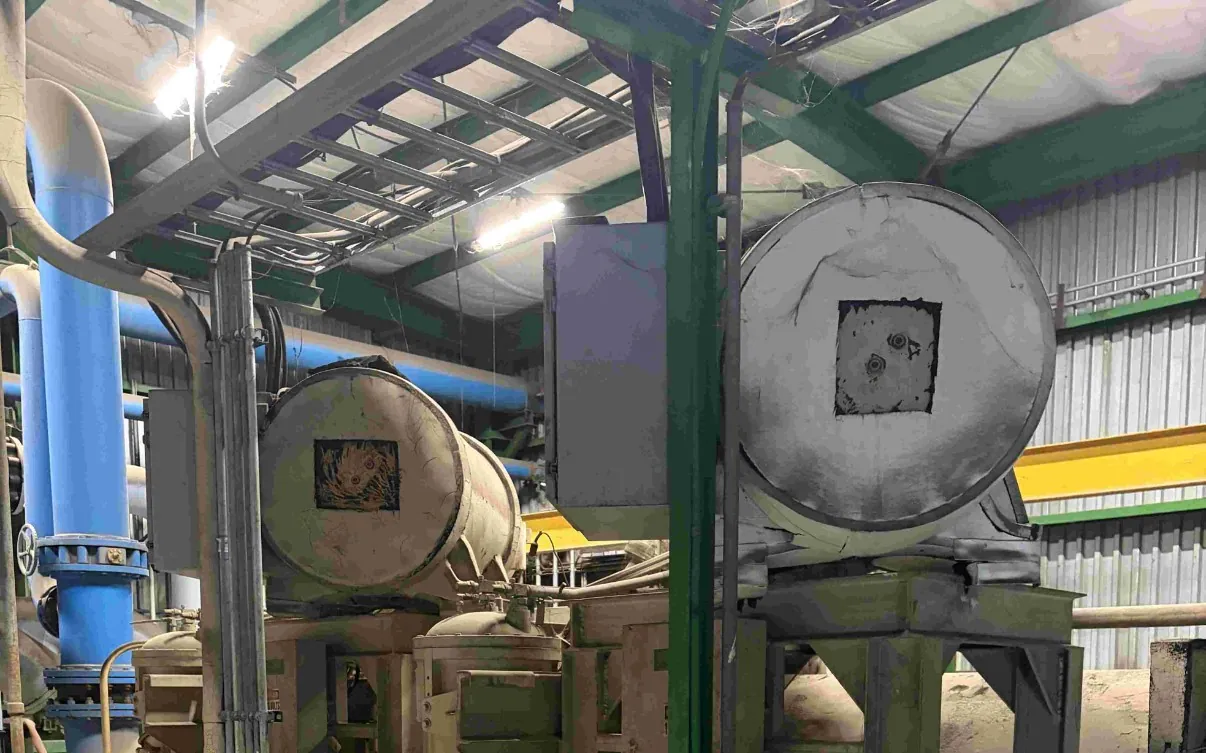
Sell a Surplus Air-Cooled Chiller in Pickens, SC
We buy used air-cooled chiller equipment in Pickens and handle the agreed disconnect, rigging, and freight.
We buy chillers. We don’t sell them.
Your chiller.
Our logistics.
Have a surplus or decommissioned chiller? We’re the buyer—here to make moving it straightforward.
From a single unit to equipment from a larger facility, tell us what you have. We buy industrial and commercial chillers across South Carolina and coordinate the work to get them moved.
See how it works
All types & sizes
Air-cooled or water-cooled, centrifugal, screw or scroll. Tell us what you have.
We handle the logistics
We coordinate rigging, refrigerant recovery, loading and freight for the equipment we buy.
Made for sellers
Send the details and nameplate photos to start a conversation about your chiller.
Three steps.
One less chiller.
- 01
Send the details
Share what you know, along with photos of the unit and nameplate.
- 02
Get a quote
We’ll review your equipment and discuss an offer with you.
- 03
Leave the logistics to us
We coordinate removal and freight for the chillers we purchase.
Sell a Surplus Air-Cooled Chiller in Pickens, SC
If an air-cooled chiller in Pickens has become surplus, South Carolina Chiller Buyers can consider it for purchase. We are a direct buyer, not a seller of replacement equipment. We assess air-cooled chillers across brands, refrigerants, and capacities, including units below 20 tons; 20 to 2,000+ tons is a common range, not a limit.
A unit need not be operating to request an offer. For example, a chiller kept in storage after a process change may still be worth discussing even if its controller or starter is stored separately. Share what is known, identify what is missing, and avoid starting or dismantling equipment to answer questions.
Explain the Storage and Control Setup
When the chiller and its controls are apart, distinguish the main unit from any separate controller, starter, or other component. If the equipment is stored indoors or outdoors, mention that too. Photos of the chiller, its identification plate if safely visible, and the stored controls can help establish what is included. Do not open electrical enclosures or energize the equipment to obtain information.
A separate control component does not automatically rule out an offer, but it can affect how the equipment is evaluated and what removal requires. Be clear about whether the controller or starter is present, its location, and whether it is included in the proposed sale. If its status is unknown, say so rather than guessing.
Describe the Air-Cooled Chiller, Not Just Its Tonnage
Air-cooled chillers reject heat through outdoor coils and fans instead of relying on a conventional cooling-tower loop. That distinction helps identify the equipment and its removal needs. If readily observable, note the fan and coil condition and the number of compressors. These details are useful context, not a request to test, repair, or inspect hazardous parts.
Capacity and transport weight are different measures. Tonnage describes cooling capacity; it does not tell a rigger the unit’s lifting weight or determine whether a truck can reach it. Weight, dimensions, lifting points, and access conditions all matter for removal planning. Provide available records or visible labels, but do not move the chiller to find them.
Show Where the Unit Sits and How It Could Leave
Tell us whether the chiller is on a roof, a pad, or a raised frame. A rooftop or elevated installation may call for a lift plan and a protected ground area. At grade, the route to a truck still matters: gates, narrow passages, overhead obstructions, nearby equipment, and turning space can affect the approach.
Photos of the surrounding clearance can help explain those conditions. For an elevated unit, include views that show its position and possible access to the area below, if they can be taken safely. For a ground-level unit, show the route from the chiller toward the loading area. Do not climb onto equipment or enter restricted areas to take pictures.
Useful Details to Share Before an Offer
A concise, accurate description helps us consider the equipment and plan the next steps. Share the chiller’s available identifying information, approximate capacity if known, storage condition, included or separate controls, and installation location. Mention anything that may constrain access or lifting. No single detail guarantees a purchase or a particular offer; the equipment and agreed terms determine the outcome.
- Air-cooled chiller make, model, and capacity, if known
- Visible fan, coil, and compressor information
- Whether a controller or starter is separate, missing, or included
- Roof, pad, or raised-frame placement and available access photos
- Known restrictions along the route to the loading area
What the Seller Does—and Does Not—Need to Do
You do not need to test, start, repair, drain, or prepare the chiller to request an offer. Do not open, cut, vent, or dismantle the unit. Refrigerant and process fluid are different: refrigerant is part of the chiller’s cooling circuit, while process fluid may circulate through the application it served. Do not release either; any necessary refrigerant recovery after an agreed purchase is handled by appropriately qualified personnel.
After a purchase is agreed, the buyer handles disconnects, necessary refrigerant recovery, crane and rigging, loading, hauling, and freight. Freight is covered. The authorized owner or site representative must still grant permission and coordinate site access. Removal arrangements depend on the equipment, access, and agreement, so neither a particular price nor a removal date should be assumed in advance.
Request Consideration for Your Pickens Chiller
Whether your surplus air-cooled unit is stored with its starter nearby or remains installed at a facility, describe the actual situation and provide safe, useful photos. South Carolina Chiller Buyers can then review what is being offered and discuss the equipment and access details. Payment is upfront after an agreed purchase; the offer and removal schedule depend on the chiller and the terms reached.
Ready to move
your chiller?
Tell us what you know. If you’re unsure of a detail, leave it blank. Nameplate photos are a great place to start.

Request a quote.
Fill out what you can and we’ll be in touch.