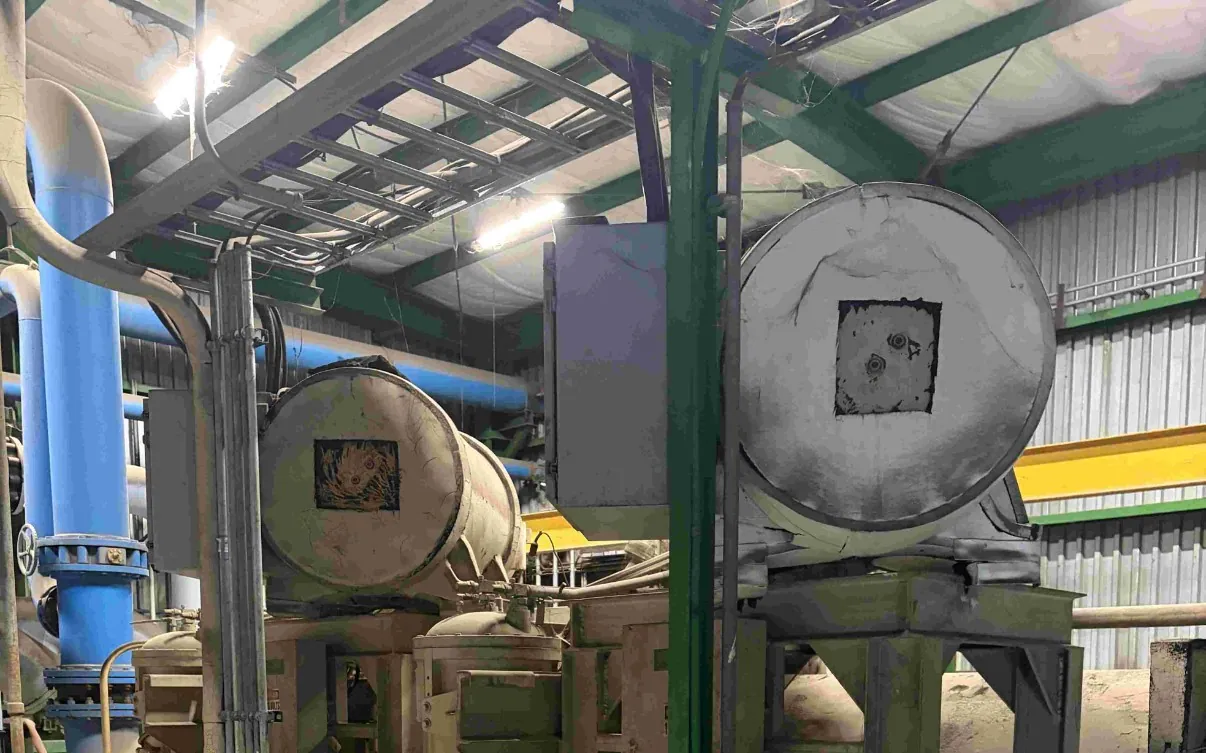
Sell a Used Carrier Chiller
We buy used and surplus Carrier chillers in South Carolina, with buyer-managed removal and freight.
We buy chillers. We don’t sell them.
Your chiller.
Our logistics.
Have a surplus or decommissioned chiller? We’re the buyer—here to make moving it straightforward.
From a single unit to equipment from a larger facility, tell us what you have. We buy industrial and commercial chillers across South Carolina and coordinate the work to get them moved.
See how it works
All types & sizes
Air-cooled or water-cooled, centrifugal, screw or scroll. Tell us what you have.
We handle the logistics
We coordinate rigging, refrigerant recovery, loading and freight for the equipment we buy.
Made for sellers
Send the details and nameplate photos to start a conversation about your chiller.
Three steps.
One less chiller.
- 01
Send the details
Share what you know, along with photos of the unit and nameplate.
- 02
Get a quote
We’ll review your equipment and discuss an offer with you.
- 03
Leave the logistics to us
We coordinate removal and freight for the chillers we purchase.
Sell a Used Carrier Chiller in South Carolina
South Carolina Chiller Buyers purchases used Carrier chillers directly from owners and authorized site representatives. We are a buyer, not a seller of replacement equipment. We consider Carrier equipment across all tonnages, including units below 20 tons; 20 to 2,000+ tons is a common range. Brand, capacity, age, condition, refrigerant, and removal requirements all help determine whether a particular unit fits an offer.
You do not need to start, test, repair, or prepare your Carrier chiller to request a review. Begin with the information available from records, labels, and safe exterior photographs. If details are missing, say so rather than guessing.
Identify the Full Unit, Not Just the Family Name
Carrier equipment may use model-family names such as AquaEdge or AquaForce, but a family name alone does not identify the chiller’s exact configuration. Include the complete model and serial number when available. Those identifiers help distinguish capacity and arrangement differences among units that share a trade name.
Also share the stated tonnage if you know it, the general equipment type, and the site location in South Carolina. A nameplate photograph can help clarify model information. Do not open panels or approach equipment in a way that creates a safety risk to obtain a picture; existing records or photographs are useful too.
Show the Package Boundary Clearly
Photograph the compressor, control cabinet, and condenser or shell, as applicable. Include an overall view so the buyer can understand the unit’s layout and surroundings. If a starter or drive is separate, state whether it is included in the proposed sale. That boundary matters: an offer review should reflect what is actually part of the package, not assume that nearby equipment transfers with the chiller.
Where practical, note visible accessories or components that are excluded, along with any known damage or incomplete parts. You do not need to dismantle or clean the equipment. Clear, honest information is more useful than a staged presentation or an uncertain claim about operating condition.
Capacity and Weight Answer Different Questions
Chiller tonnage describes cooling capacity; it does not tell a hauler how heavy or difficult the equipment will be to remove. Transport planning depends on the actual unit, its dimensions and configuration, the route out of the site, and the lifting and loading conditions. A compact lower-tonnage machine may present different access constraints from a larger packaged unit, while capacity alone cannot establish transport weight.
If available, provide equipment records that list shipping or operating weight, dimensions, or rigging information. These details are helpful but not a reason to estimate from tonnage. If they are unavailable, say so. The buyer can assess removal needs using the information provided and any agreed site review.
From First Contact to an Agreed Pickup
The process starts when you provide the Carrier identifiers, available photographs, known package contents, and basic site context. South Carolina Chiller Buyers reviews the details and may ask follow-up questions to understand the unit and removal conditions. The offer and removal schedule depend on the equipment and the agreement; neither a particular price nor a specific pickup date can be promised in advance.
If both sides agree to a purchase, the authorized owner or site representative must provide permission and coordinate access. The buyer handles disconnects, necessary refrigerant recovery through appropriately qualified personnel, crane and rigging, loading, hauling, and freight. Freight is covered. The seller does not need to hire a hauler or ship the equipment.
Refrigerant Is Not Process Fluid
A chiller’s refrigerant is part of its cooling system; process fluid, such as water or another circulating fluid, serves a different function in the connected system. When describing the unit, identify what you know about each separately. We consider chillers using all refrigerants, so an unfamiliar or older refrigerant is not by itself a reason to leave the information out.
Do not vent refrigerant, drain the machine, cut connections, or dismantle components to prepare for a sale. Any necessary refrigerant recovery is handled as part of the agreed removal by appropriately qualified personnel. If fluid contents or system condition are unknown, simply report that uncertainty.
Useful Details to Gather
- Complete Carrier model and serial numbers, plus stated tonnage if available.
- Photographs of the compressor, control cabinet, condenser or shell, and overall unit.
- Whether a separate starter or drive is included, and any known exclusions.
- Available weight, dimensions, refrigerant, condition, and access information.
Keep the Request Practical
You can request an offer without energizing, opening, repairing, or preparing your Carrier chiller. For example, if a unit is out of service and records identify its model but not its current condition, provide the records and say that operating status is unknown. If a separate drive sits near the chiller, clarify whether it belongs in the sale rather than assuming it is included. These details help establish what is being considered and what an agreed removal would involve.
Once an offer and pickup arrangement are agreed, keep the authorized site representative involved so access and coordination are clear. The buyer’s removal responsibilities begin within the terms of that agreement; the timing and plan depend on the specific equipment and site conditions.
Ready to move
your chiller?
Tell us what you know. If you’re unsure of a detail, leave it blank. Nameplate photos are a great place to start.

Request a quote.
Fill out what you can and we’ll be in touch.